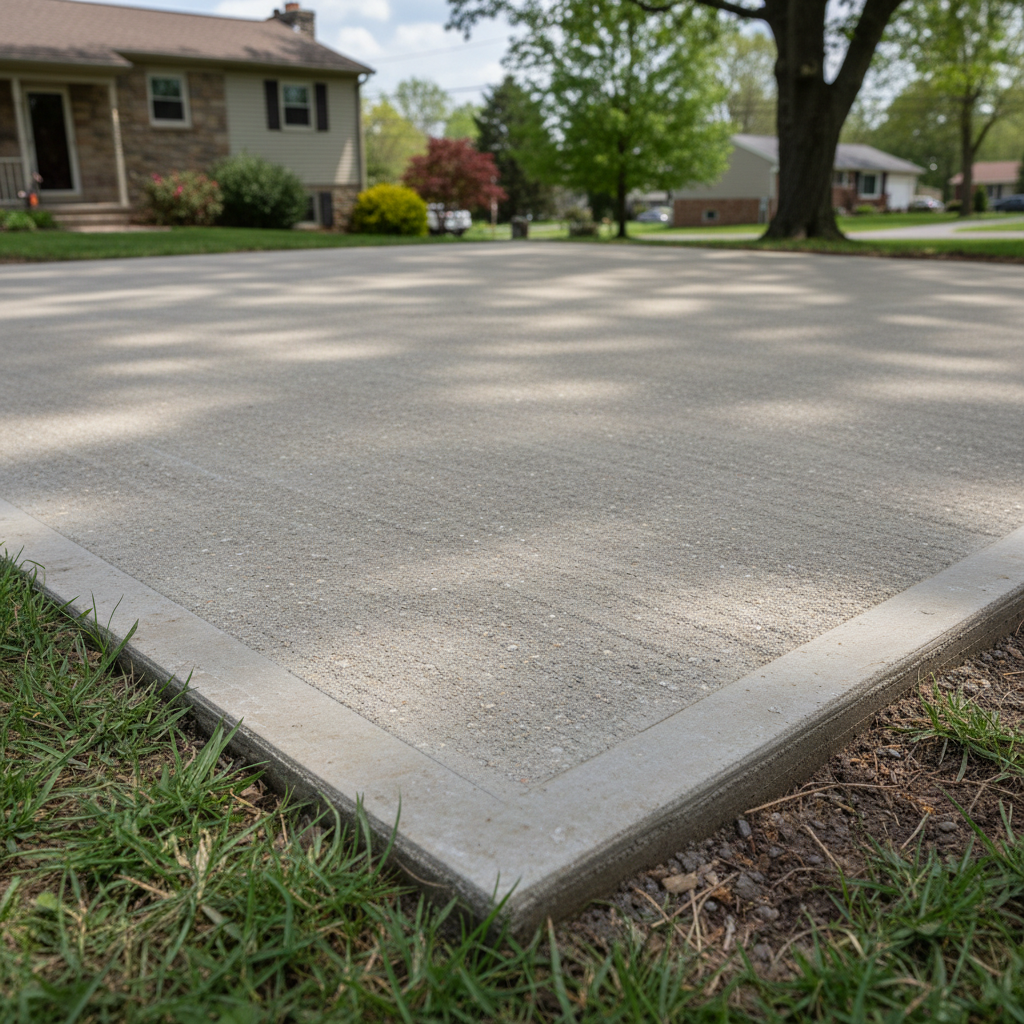
So, you're thinking about a new concrete project around your Macungie home. Maybe it's a small pad for the trash cans, or maybe you're dreaming bigger, like a new patio or a long driveway. It's a common thought: "Can I just do this myself?"
The short answer is, it depends. Concrete work looks simple enough – mix, pour, smooth. But there's a whole lot more to it than that, especially if you want it to last and look good for years to come. Let's talk about what's involved and where you might hit a wall.
Before You Even Think About Mixing
Planning is everything. Seriously, don't skip this part. First off, what are you pouring? A small, non-structural pad for an AC unit? Maybe. A foundation for a shed? That's getting into trickier territory. A driveway or a patio? You're probably going to want some professional help there.
You need to think about drainage. Macungie gets its fair share of rain, especially those summer thunderstorms. If your concrete isn't properly sloped, you're going to have standing water, and that's not just annoying, it can cause real damage over time. You also need to consider utility lines. Before you dig anything, call 811. It's free, and it keeps you from hitting a gas line or an electrical conduit, which is a really bad day for everyone.
Another big one is permits. Depending on the size and type of your project, you might need one from the borough. Don't ignore this; getting caught without a permit can mean fines and having to tear out work you've already done.
The DIY Zone: Small Stuff Only
Alright, what can you realistically do yourself without too much headache? I'd say very small, non-critical projects. Think a small stepping stone, a little pad for a garbage can, or maybe a small, decorative planter. Things that, if they crack or don't look perfect, aren't going to cause a major problem or be an eyesore.
- Formwork: For these small projects, you can usually build a simple form with some lumber. Make sure it's level and secure.
- Mixing: For a small batch, you can get away with a wheelbarrow and a shovel, or rent a small electric mixer.
- Pouring and Finishing: Get the concrete into the form quickly. Then, use a straight edge (like a 2x4) to screed it level. A float will help bring the cream to the surface and smooth it out.
The key here is small volume. Once you start talking about more than a few bags of concrete, you're looking at a lot of physical labor, and the clock starts ticking fast once that water hits the mix. Concrete doesn't wait for you to take a break.
When to Call Absolute Concrete Co. (and Why)
For anything beyond those tiny projects, you really should bring in the pros. Here's why:
- Footers and Foundations: If you're building a shed, a garage, or an addition, you need proper footers. These have to be dug to the right depth (below the frost line, which can be 30-40 inches deep around here), reinforced correctly, and poured perfectly level. This isn't a DIY job.
- Driveways and Patios: These are large, visible areas that get a lot of wear and tear. You need proper sub-base preparation, often involving grading and compacting fill. You need the right thickness of concrete, proper reinforcement (rebar or wire mesh), and control joints placed correctly to prevent random cracking. Plus, getting a large slab perfectly sloped for drainage and smoothly finished is an art form.
- Special Finishes: Want stamped concrete? Exposed aggregate? Broom finish? These require specific tools, techniques, and experience. You won't get that professional look on your first try.
- Equipment: We've got the right equipment for moving, pouring, and finishing large amounts of concrete efficiently. You're not going to rent a concrete pump for your weekend project.
- Experience: We've done this hundreds of times. We know about the soil conditions here in Macungie, how the weather affects the pour, and how to troubleshoot problems on the fly. We know how to get the right mix for the job, too.
The cost of fixing a poorly done concrete job almost always outweighs the cost of hiring a professional from the start. You don't want to look at a cracked, uneven, or poorly drained patio for the next 20 years, trust me.
After the Pour: Curing is Crucial
Whether you DIY a small project or hire us, proper curing is vital. Concrete doesn't just dry; it cures. This is a chemical process that strengthens the concrete. If it dries too fast, it'll be weak and prone to cracking. Keep it moist for at least 3-7 days, longer if you can. You can do this by misting it with water, covering it with plastic sheeting, or using a curing compound.
Don't put heavy weight on it too soon. Give it at least a week before walking on it regularly, and a month before driving vehicles on it. Patience here pays off big time.
Look, I get the urge to save a buck and do things yourself. For small, non-critical concrete tasks, go for it. But for anything substantial that you want to last, look good, and function properly, it's really best to call in a professional. We've seen too many DIY jobs that end up costing more to fix than if they'd just hired Absolute Concrete Co. from the beginning. Give us a call, and we can talk through your project and give you an honest assessment of what it'll take.