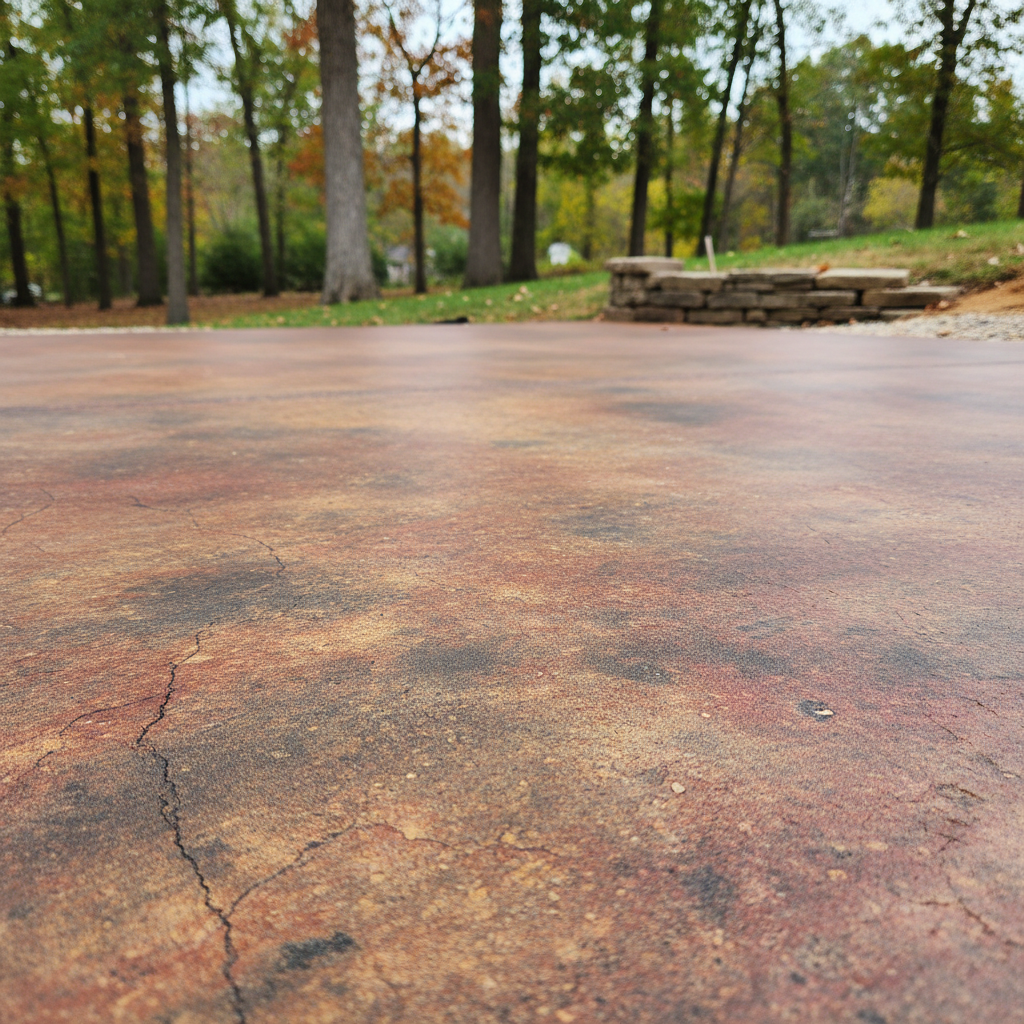
Thinking about sprucing up that old concrete slab without ripping it out? Concrete staining is a fantastic way to add some color and personality to your patio, walkway, or even your basement floor. It's not just paint, you know; this process actually reacts with the concrete itself, creating a translucent, rich finish that won't chip or peel like paint often does. But before you rush off to the hardware store, let's talk a bit about what you're really getting into.
Before You Start: Prep is Everything
Seriously, I cannot stress this enough. How well you prepare the surface will make or break your staining project. If you try to cut corners here, you'll definitely regret it later. First things first, you need super clean concrete. And I mean really clean. Any dirt, grease, oil, old paint, or sealers will stop the stain from soaking in evenly, leaving you with splotchy, frankly ugly, results. For outdoor spots, a good power wash is non-negotiable. Inside, a thorough scrub with a degreaser and a stiff brush, followed by a good rinse, is absolutely essential.
Next up, you've got to deal with any repairs. Cracks, spalling, or uneven patches will show right through the stain, so get them fixed beforehand. Grab a concrete patch or repair kit. Just make sure it's fully cured according to the manufacturer's instructions, okay? If you've got a brand-new concrete pour, you'll need to wait at least 28 days for it to cure completely before staining. That's a deal-breaker.
Think about the type of stain you want. There are two main kinds: acid-based and water-based. Acid stains react with the minerals in the concrete, giving you those unique, mottled effects. They're usually limited to earthy tones. Water-based stains are more like a translucent paint; they don't react chemically but sit on the surface. This means they offer a wider range of colors and more uniform coverage. They're generally easier for a DIYer to handle, but acid stains can really deliver that truly unique, high-end look.
The Staining Process: What to Expect
Alright, you've prepped, you've picked your stain. Now for the fun part. Always, always, always test a small, hidden area first. This step is critical because every concrete slab is different. The age of the concrete, how porous it is, and even the original mix can all affect how the stain takes. You really don't want to stain your entire Macungie patio only to find out it's not the color you pictured.
Applying the stain isn't overly complicated, but it does demand patience and a steady hand. For acid stains, you'll typically use a pump sprayer. Apply thin, even coats. Don't let it puddle, please. Work in sections, always keeping a wet edge to avoid lap marks. For water-based stains, you can use a sprayer, a roller, or even a brush, depending on the effect you're going for. Again, thin coats are key. You'll probably need two or three coats to get the depth of color you want.
Once the stain is on and dry, you'll need to neutralize and clean for acid stains. This usually involves a baking soda and water solution, followed by a good rinse. This step is super important to stop the chemical reaction and get rid of any residue. Water-based stains usually just need to dry.
After the Stain: Sealing and Maintenance
You're not finished yet! Stained concrete absolutely needs to be sealed. The sealer protects the color, adds durability, and makes the surface much easier to clean. For outdoor areas, you'll want a good quality penetrating or topical sealer that can really stand up to our Pennsylvania winters and the freeze-thaw cycles we get here in the Lehigh Valley. For indoor floors, a topical sealer, often an acrylic or epoxy, will give you that desired sheen and protection.
Apply the sealer in thin, even coats, just like you did with the stain. Two coats are usually what we recommend. Let it cure fully before you put furniture back or allow heavy foot traffic. Maintenance is pretty straightforward after that: regular sweeping or vacuuming, and damp mopping with a pH-neutral cleaner. Avoid harsh chemicals or abrasive scrubbers, as they can damage the sealer and the stain underneath.
DIY or Call a Pro?
So, can you tackle this yourself? For smaller, less critical areas, like a utility room floor or a tiny patio, absolutely. If you're patient, meticulous with prep, and willing to follow instructions, you can get good results with water-based stains. Acid stains are a bit trickier, though, because their results are less predictable, and that neutralization step is pretty important.
However, for large areas, high-traffic zones, or if you're dreaming of a truly custom, intricate design, I'd strongly suggest calling in a professional. We've got the specialized equipment, the experience with all sorts of concrete types, and the know-how to handle any surprises that might pop up. Plus, we can achieve those really stunning, multi-tone effects that are tough for a homeowner to pull off. If you're thinking about a big project, or if you just want it done right the first time without all the headaches, give Absolute Concrete Co a call. We're always happy to chat through your options and see if a professional touch is what you need for your Macungie home.