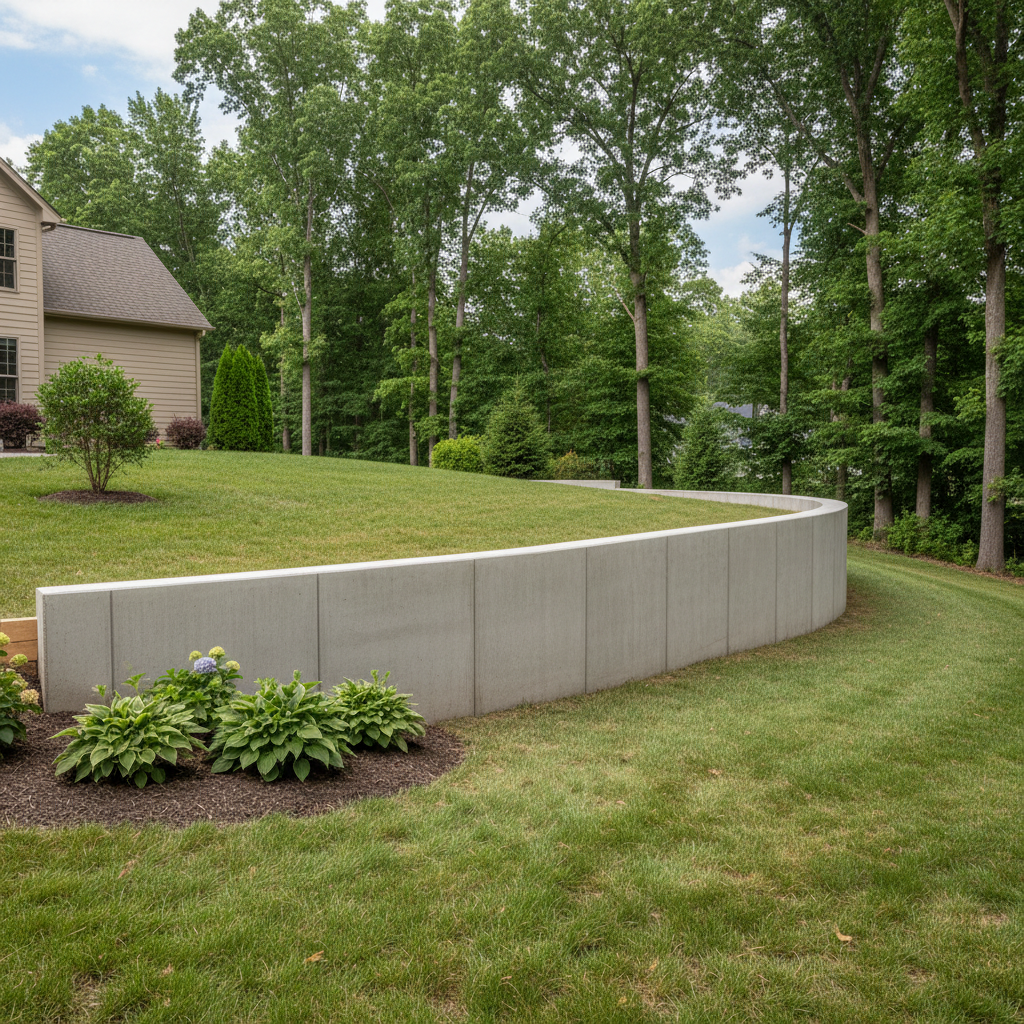
You've got a concrete retaining wall, and it's doing its job, holding back earth and shaping your yard. But just like anything else that works hard, it needs a little attention to stay that way. Especially here in Macungie, with our freeze-thaw cycles and heavy spring rains, those walls take a beating. I've seen firsthand what neglect can do, and trust me, fixing a collapsed wall is a whole lot more expensive and disruptive than keeping it well-maintained.
Extending Your Wall's Life: What You Can Do
The biggest thing you can do to extend the life of your retaining wall is to manage water. Water is the enemy of any concrete structure, especially when it's constantly pushing against it or seeping through. Good drainage behind the wall is crucial. Most well-built walls, like the ones Absolute Concrete Co installs, have a drainage system behind them – usually a layer of gravel and a perforated pipe that directs water away. But that system can get clogged over time.
Here's what you need to keep an eye on:
- Keep the area clear: Make sure no soil, mulch, or debris is piling up against the top of the wall or over the drainage area behind it. This can block surface water from draining properly and put extra pressure on the wall.
- Direct downspouts: If you have gutter downspouts near your wall, make sure they're extended far enough to direct water away from the wall's base. You don't want a concentrated gush of water eroding the soil at the toe of the wall or saturating the ground directly behind it.
- Check for vegetation: While small plants might look nice, large trees or shrubs planted too close to the wall can cause problems. Their roots can grow into cracks, expanding them, or push against the wall, causing it to shift. Keep an eye on any significant root growth.
Another big one is protecting the top of the wall. If you have a capstone, make sure it's secure and the mortar joints aren't crumbling. This cap protects the wall's interior from direct water penetration. If you don't have a cap, consider adding one, or at least ensure the top surface is sloped slightly away from the retained earth to shed water.
Regular Maintenance: Your Checklist
You don't need to inspect your wall with a magnifying glass every day, but a quick check a couple of times a year can save you a lot of grief. I usually tell folks to do a thorough check in the spring after the snow melts and again in the fall before winter sets in.
During these checks, look for:
- Cracks: Small hairline cracks are often normal, especially in older concrete. But watch for cracks that are widening, getting longer, or running horizontally or diagonally. Vertical cracks are generally less concerning than horizontal ones, which can indicate structural stress.
- Bulging or leaning: Stand a little ways back from your wall and eyeball it. Does it look straight? Any part of it bulging out or leaning forward? This is a serious red flag.
- Water seepage: Is water consistently seeping out of the wall face? This could mean your drainage system behind the wall isn't working as it should, or there's too much hydrostatic pressure building up. You might see efflorescence (white, powdery deposits) where water has been seeping out and evaporating.
- Erosion at the base: Check the ground directly in front of the wall. Is it eroding away? This can undermine the wall's foundation.
- Loose or crumbling mortar/concrete: If you can easily pick away at the concrete or mortar joints, it's a sign of deterioration.
If you spot minor issues, address them promptly. Small cracks can sometimes be sealed with a concrete caulk or patching compound to prevent water intrusion. If you see efflorescence, it's a sign of water movement, and while not always catastrophic, it warrants investigating the drainage.
Warning Signs You Can't Ignore
Some issues go beyond regular maintenance and scream,